How to Choose the Right Artificial Turf for a Water-Efficient Landscape
Why Water Efficiency Matters in Landscaping
In many parts of the country, maintaining a green lawn requires a surprising amount of water. Traditional grass needs regular irrigation to stay healthy, especially during dry months. As water restrictions become more common and utility costs rise, homeowners are looking for alternatives that keep their yards looking good without the constant demand for watering. Artificial turf offers a practical solution, but not all turf is created equal when it comes to water savings. Understanding how to select the right product can make a real difference in both your yard's appearance and your water bill.
What Makes Turf Water-Saving?
The term "water-saving artificial grass" refers to turf systems designed to minimize water usage while still providing a lush, functional surface. The key is in the construction. A good water-saving turf has a permeable backing and an efficient drainage layer that allows rainwater to pass through quickly, reducing runoff and keeping the surface dry. This means you don't need to hose it down to clean it as often, and you can rely on natural rainfall to keep it looking fresh. Many modern turfs also incorporate UV stabilisation to prevent fading, so the color stays consistent without needing extra care.
Another factor is the infill material. Some infills are designed to retain moisture and help cool the turf on hot days, while others are more porous and allow water to drain freely. For a water-efficient landscape, you want infill that supports drainage rather than holding water. Crushed granite base layers are commonly used underneath to create a stable, well-draining foundation. This combination of permeable turf, proper base, and the right infill means you can say goodbye to sprinklers and still enjoy a green yard year-round.
Key Features to Look For
When shopping for turf, pay attention to a few technical details that directly affect water efficiency. First, check the pile height. Shorter piles, around one to one and a half inches, tend to drain faster and require less maintenance. They also look more like a natural, manicured lawn. Longer piles can look plush but may trap debris and need occasional rinsing, which uses water. Second, look for a turf with a high drainage rate. Many manufacturers list the drainage capacity in inches per hour; the higher the number, the better the turf handles heavy rain without pooling.
Third, consider the backing material. A coated backing that is fully permeable allows water to pass through easily, which is essential for a water-efficient system. Some cheaper turfs have a solid rubber backing that can cause water to run off into gutters rather than soaking into the ground. Fourth, UV stabilisation is important for longevity, especially in sunny climates. Turf that fades quickly will need to be replaced sooner, which is not environmentally friendly. Finally, look for products specifically marketed for water-efficient landscaping. These often come with design features that reduce the need for cleaning and irrigation.
Where Water-Saving Turf Works Best
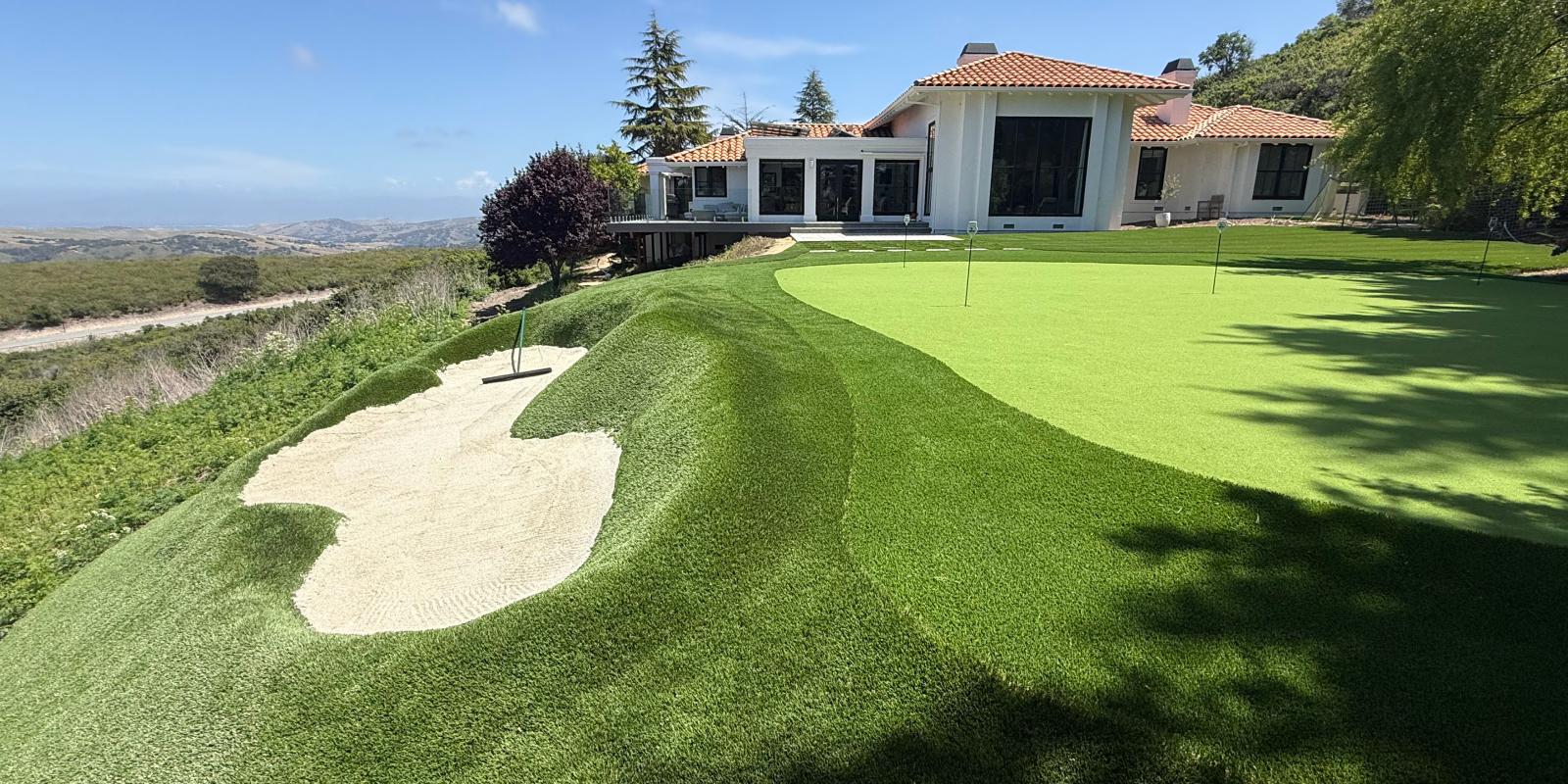
Water-saving artificial grass is versatile enough for most residential applications. Front yards, backyards, play areas, and pet runs all benefit from a surface that stays green without watering. For pet owners, pet turf with built-in drainage and antimicrobial infill is a smart choice. It allows urine to drain away quickly and can be rinsed with a hose only when needed, not as a daily chore. Similarly, putting greens require a consistent, firm surface that drains well, so water-efficient turf works perfectly for golf enthusiasts who want a practice area without the water waste.
Another common use is around pools and patios. Turf that dries quickly after a splash or a rain shower means less slipping and more time enjoying the space. In regions with drought restrictions, replacing even a portion of your lawn with turf can significantly reduce your home's water consumption. It also eliminates the need for mowing, fertilizing, and pesticides, which saves time and reduces chemical runoff into local waterways.
Installation Considerations
Proper installation is just as important as choosing the right turf. A poorly installed system can lead to poor drainage, uneven surfaces, and premature wear. The base preparation typically involves excavating the area, adding a crushed granite base, and compacting it to create a stable foundation. This base layer also helps with drainage. Turf is then laid and secured, with seams carefully glued or seamed. Infill is spread and brushed into the fibers to help them stand upright and provide cushioning.
One common mistake is skipping the drainage layer or using a base material that compacts too tightly, preventing water from flowing through. Another is not allowing for proper slope away from buildings. Water should be directed away from foundations and toward drainage points. If you are doing the installation yourself, research the specific requirements for your chosen turf. If hiring a professional, ask about their experience with water-efficient systems and check that they follow manufacturer guidelines for drainage and base preparation.
Maintenance Tips for Longevity
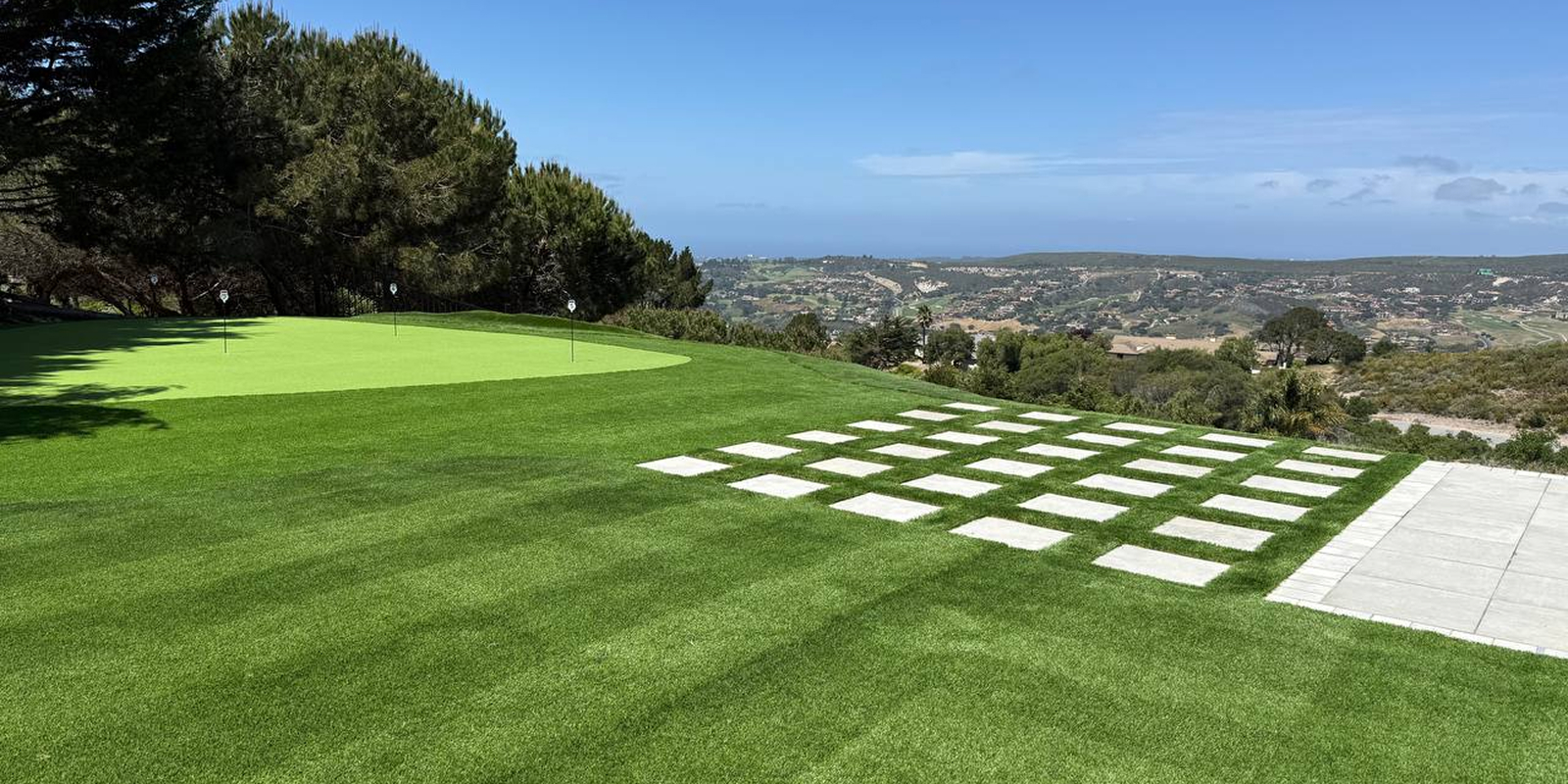
Even though water-saving turf requires no irrigation, it still needs occasional care. Remove leaves, twigs, and other debris with a leaf blower or a rake designed for synthetic grass. This keeps the surface clean and prevents organic matter from breaking down and causing odors. For pet areas, rinse the turf with a hose every week or two to keep it fresh, but you can usually let the sun do the sanitizing. Brushing the fibers periodically helps them stay upright and prevents matting, especially in high-traffic areas.
Check the infill level once a year and top it up if needed. Over time, infill can settle or get displaced, which affects drainage and cushioning. Also, inspect the turf for any signs of wear, like loose seams or tears, and repair them promptly to avoid bigger problems. With these simple steps, your turf can last fifteen years or more, all while using zero water for irrigation.
Balancing Looks and Practicality
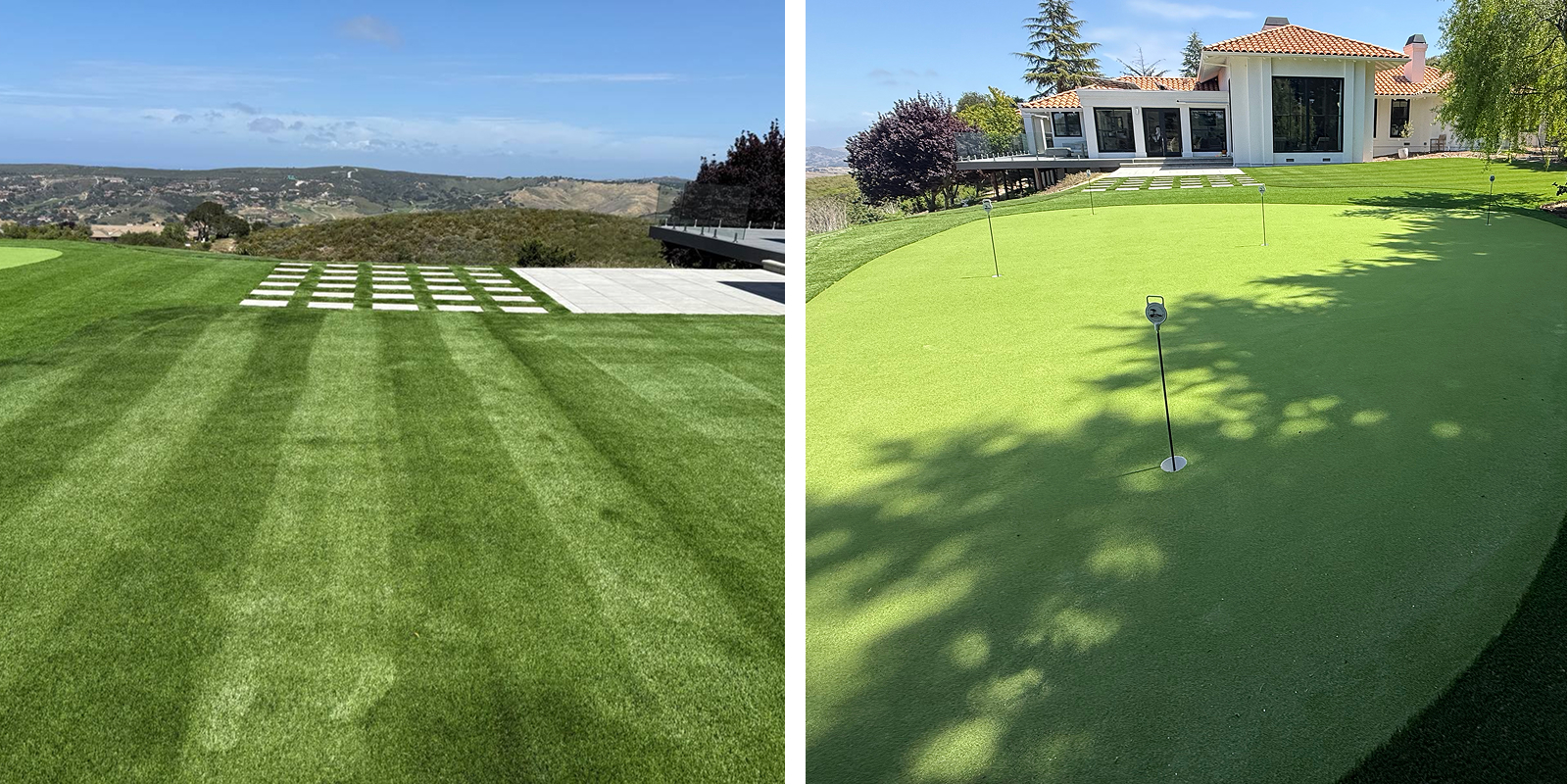
Some homeowners worry that water-saving turf will look fake or feel unnatural. Modern products have come a long way. Many feature multiple blade shapes and colors that mimic real grass, including brown thatch fibers for a more organic look. The key is choosing a turf with a pile height and density that matches your climate and use. For example, a dense, shorter pile works well in sunny areas where you want a neat appearance and easy drainage. A slightly longer pile with softer fibers might be better for a putting green or a play area where comfort matters.
It is also worth considering the environmental impact beyond water savings. Artificial turf eliminates the need for gas-powered lawn equipment, reducing emissions. It also removes the need for fertilizers and pesticides, which can contaminate groundwater. While the production of turf does have an environmental footprint, the long-term savings in water and maintenance can offset that over time. Choosing a turf that is recyclable at the end of its life adds another layer of sustainability.
Making the Switch
Deciding to replace natural grass with turf is a personal choice that depends on your priorities. If you live in a dry climate, have water restrictions, or simply want to reduce your environmental footprint, water-saving artificial grass is a solid option. It gives you the look of a green lawn without the constant chore of watering. Start by measuring your space and thinking about how you use it. Do you have pets? Children? Do you want a putting green? The answers will guide your turf selection.
Visit a local supplier or showroom to see and feel different samples. Bring photos of your yard and ask about drainage and base requirements. Many suppliers can recommend a turf that fits your specific conditions. Once you have chosen, plan your installation carefully, whether you do it yourself or hire help. With the right product and proper setup, you can enjoy a beautiful, water-efficient landscape that stays green through every season, without turning on a single sprinkler.